
Understanding Common Pitfalls in Home Decor Projects
Painting is one of the easiest ways to refresh a room. It’s an exciting project that can add personality to your space. Yet, many people make mistakes when painting walls. These errors can lead to poor results or even extra costs. Understanding these common pitfalls helps you avoid them and achieve professional-looking results. Let’s explore some frequent mistakes and how to steer clear of them.
Choosing the Wrong Paint Type
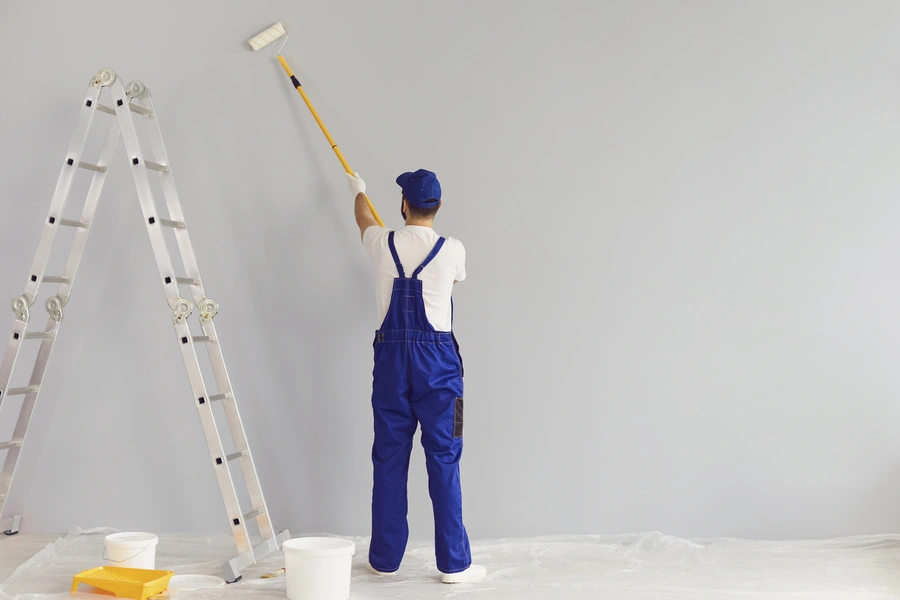
One major error is selecting the wrong type of paint for your project. Different areas require different finishes. For instance, high-traffic areas benefit from more durable paints. Use semi-gloss or satin in kitchens and bathrooms due to their moisture resistance. Picking the right paint ensures longevity and satisfaction with the finished product.
Skipping Surface Preparation
A common pitfall in wall painting projects is neglecting surface preparation. Walls need to be clean and smooth before applying new paint. Dust, grease, or old wallpaper glue can cause paint to peel or bubble. Ensure all surfaces are thoroughly cleaned and primed if necessary. This step improves adhesion and final appearance.
Using Cheap Tools
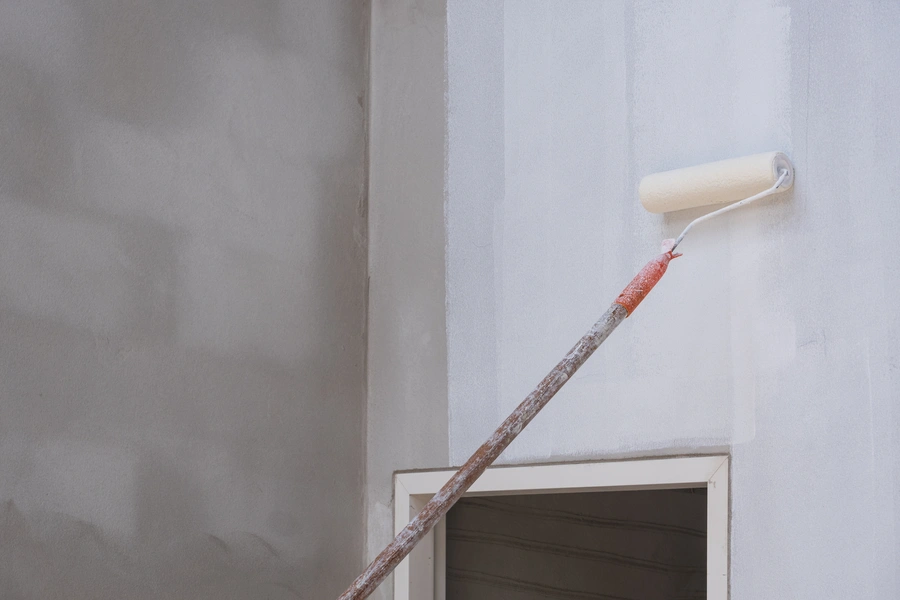
Investing in quality brushes and rollers significantly affects your project’s success. Cheap tools often shed bristles or leave streaks, impacting the final look. Quality tools ensure even coverage and save time by reducing rework. Spending a bit more upfront on good tools will pay off in better results and fewer frustrations.
Poor Color Selection
Choosing colors without considering lighting is another typical mistake. Colors look different under various lighting conditions. Test samples on your walls at different times of day to see how they change. This approach helps you select colors that consistently look great, no matter the light.
Lack of Patience Between Coats
Rushing between coats leads to uneven texture and finish. Allow each layer to dry completely before adding another one. Follow the manufacturer’s drying time instructions carefully. This patience prevents problems like streaking or patchiness and contributes to a smoother, more professional outcome.
Overlooking Protective Measures
Not protecting furniture and flooring during painting can lead to unwanted stains and damages. Cover everything not being painted with drop cloths or plastic sheets. Tape around moldings and edges for crisp lines. These precautions safeguard your belongings and reduce cleaning time afterward.
- Select the appropriate paint for specific areas
- Prepare surfaces properly for better adhesion
- Use quality tools for optimal results
- Test color choices under various lighting conditions
- Allow adequate drying time between coats
- Protect furniture and floors from drips and spills
Expert Tips for a Flawless Finish
Embrace these expert tips to refine your painting technique further. Always use painter’s tape for straight edges and remove it while paint is still slightly wet to prevent tearing. Mix multiple cans of paint in a large container to ensure consistent color throughout the room. Lastly, keep a damp cloth handy to quickly address any accidental drips before they dry.
Planning Your Next Painting Project With Confidence
By knowing what mistakes to avoid, you’ll feel more confident tackling your next painting project. Proper planning, tools, and techniques are crucial for achieving beautiful results every time. Interested in top-notch home improvement guidance? Contact us today at (262) 280-0466. Based in Franksville, WI, our team at Knights Custom Finishes provides expert advice and support for all your home decor needs.